I Need a Holiday From My Holiday: a slow travel manifesto
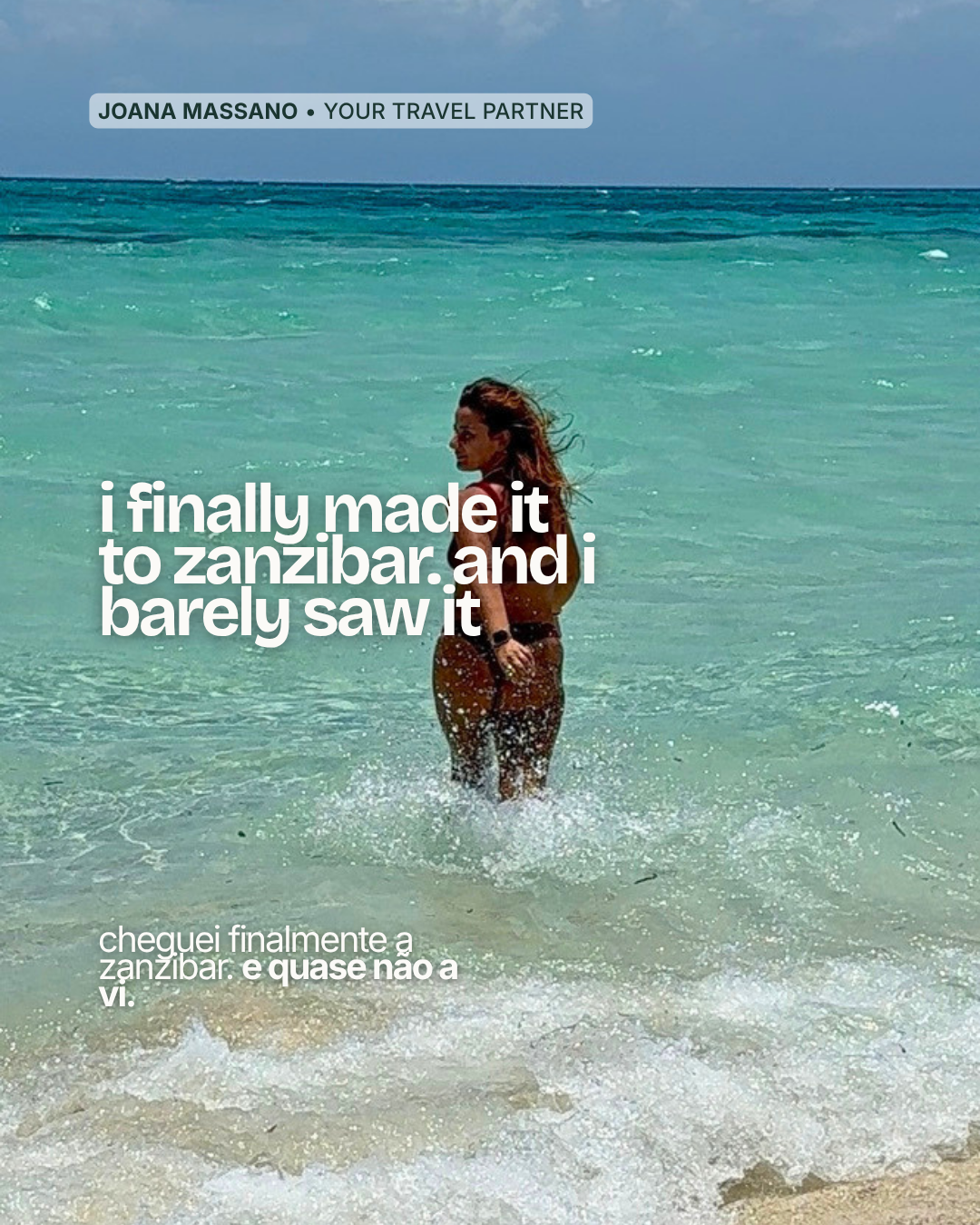
If you've ever said "I need a holiday from my holiday," the problem wasn't the holiday. It was how you travelled.
"I need a holiday from my holiday." If you've said it (and we all have), the problem wasn't the holiday. It was how you travelled.
We come home tired. And we think that's normal.
We live by the clock. Work, errands, the dinner we leave early because tomorrow's an early start. And the little time that's ours? It comes by appointment too: the 7am gym class, the Saturday hair salon. Not even rest happens off the clock.
We count down to Friday. We long for the next eleven days off like we're waiting to breathe. And when they finally come, we're so thirsty we fill up on a whole lot of nothing.
We go everywhere and see nothing
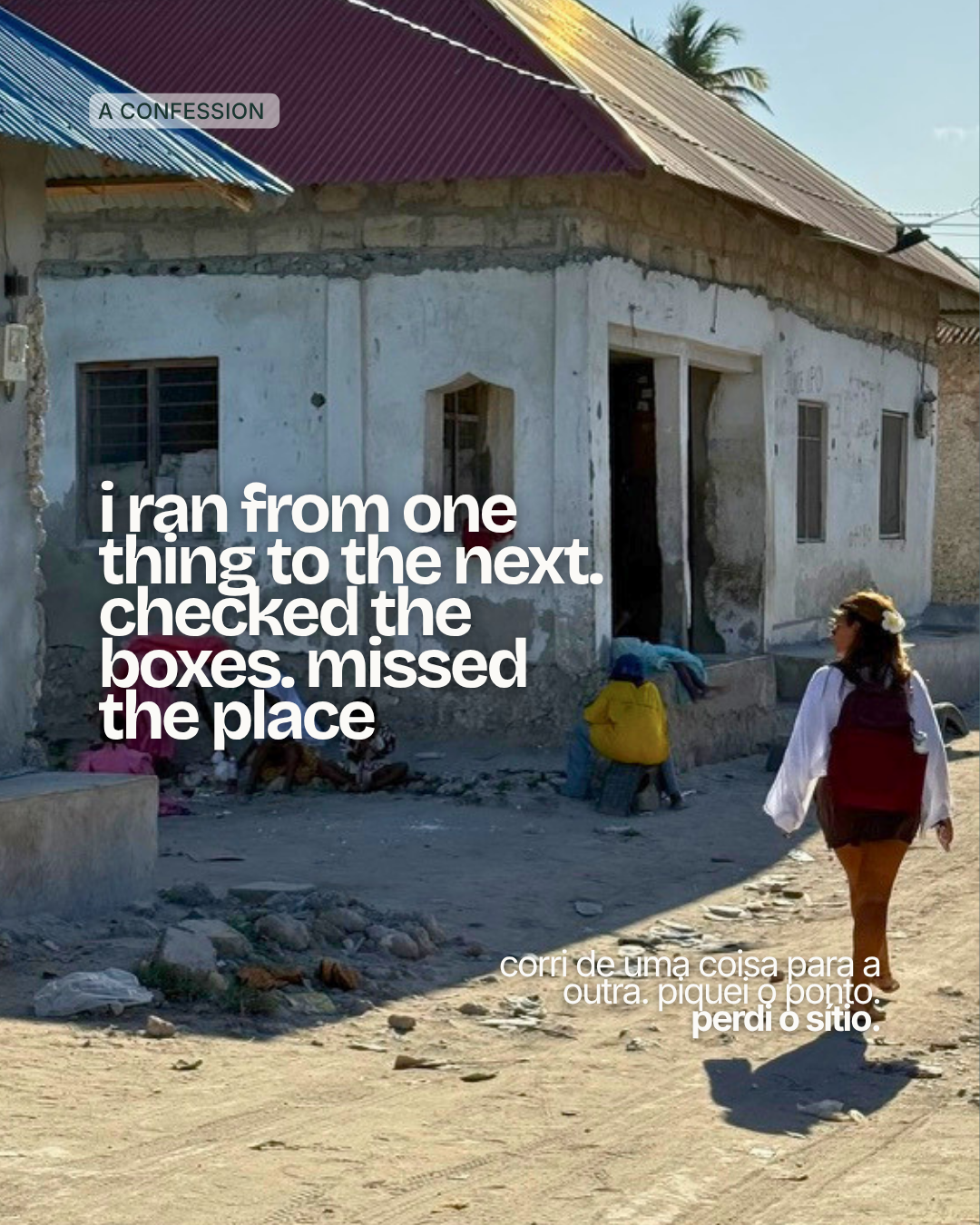
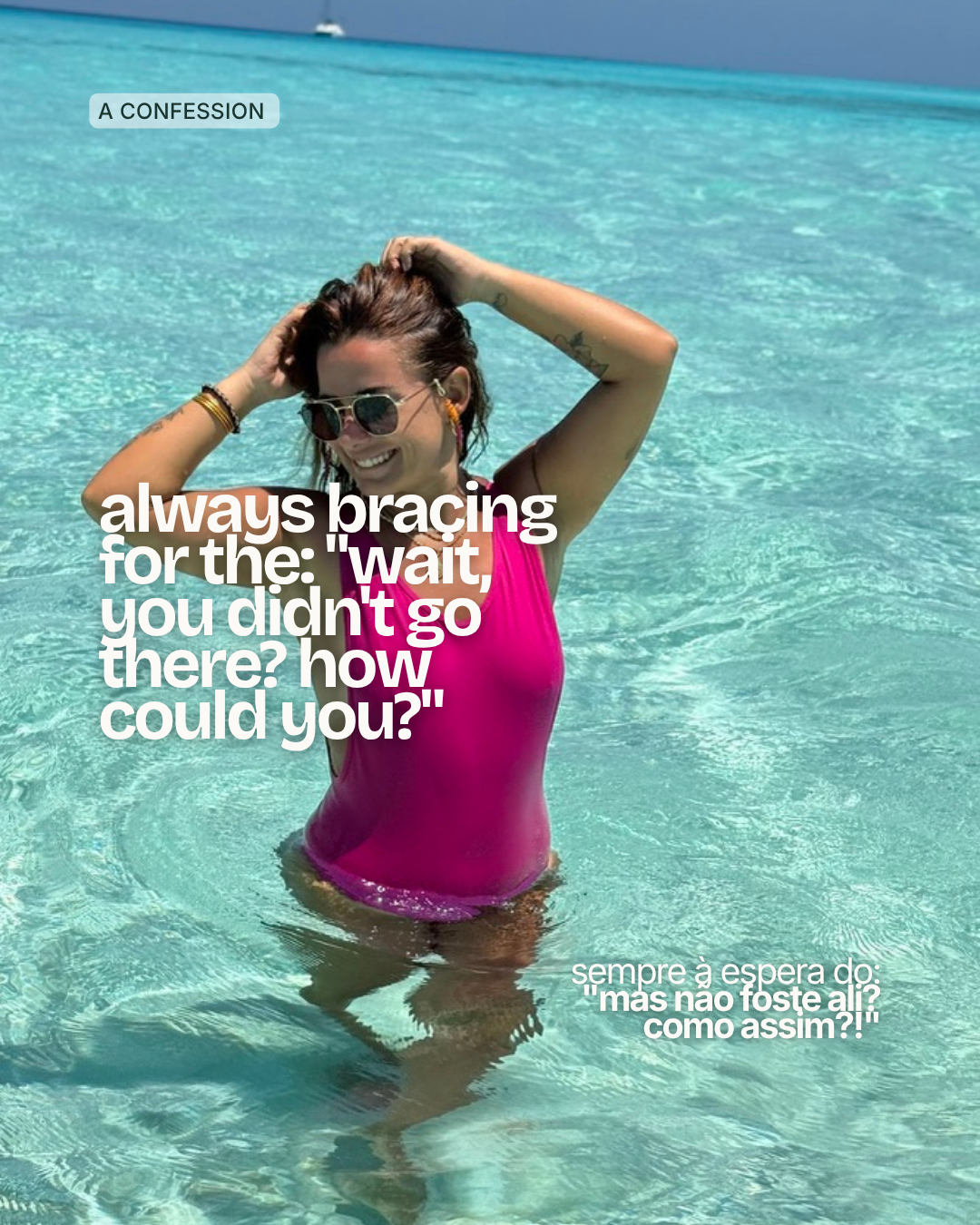
We run check-point to check-point, clocking in, just to say we made it. And the real question isn't what you learned: you can Google that. It's what you felt. What stayed.
Probably that you came home tired. An alarm every morning for one more twenty-person tour. And nothing that changed you.
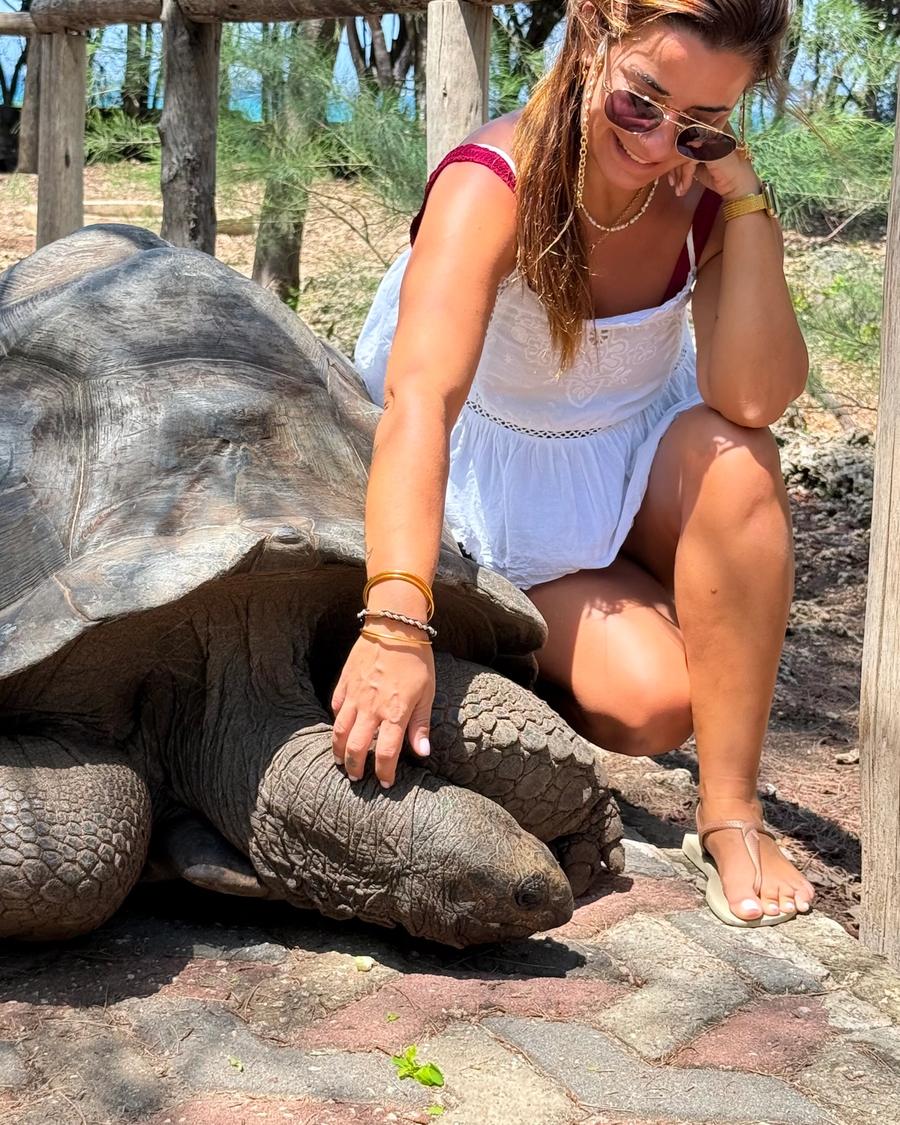
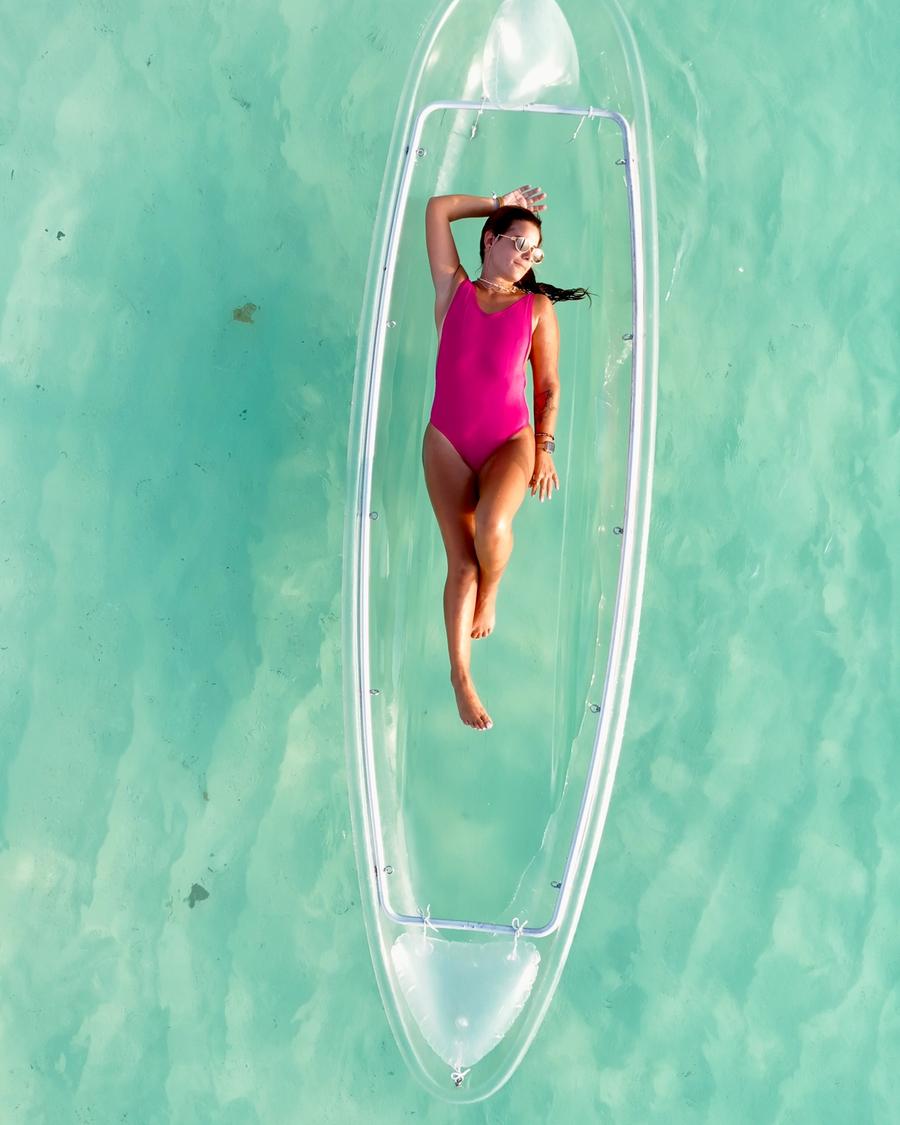
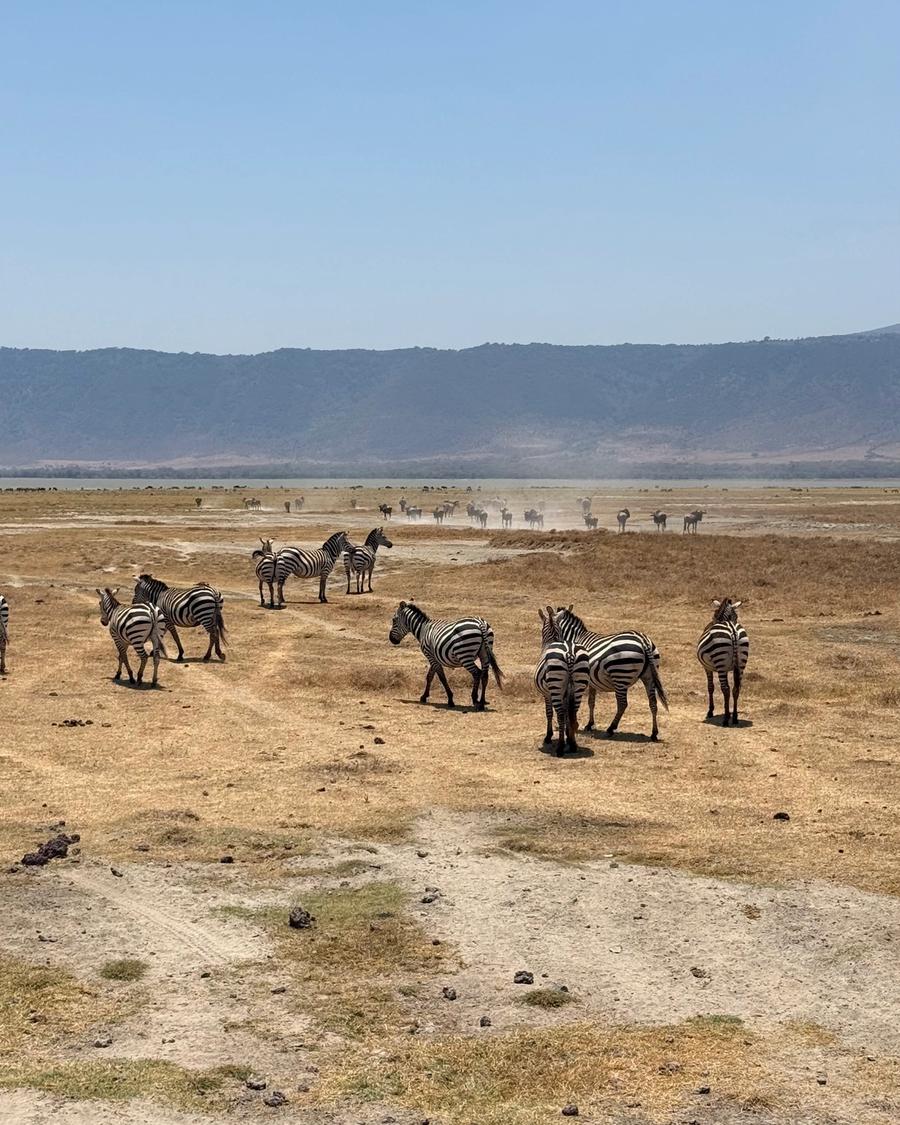
It isn't a luxury. It's a pace.
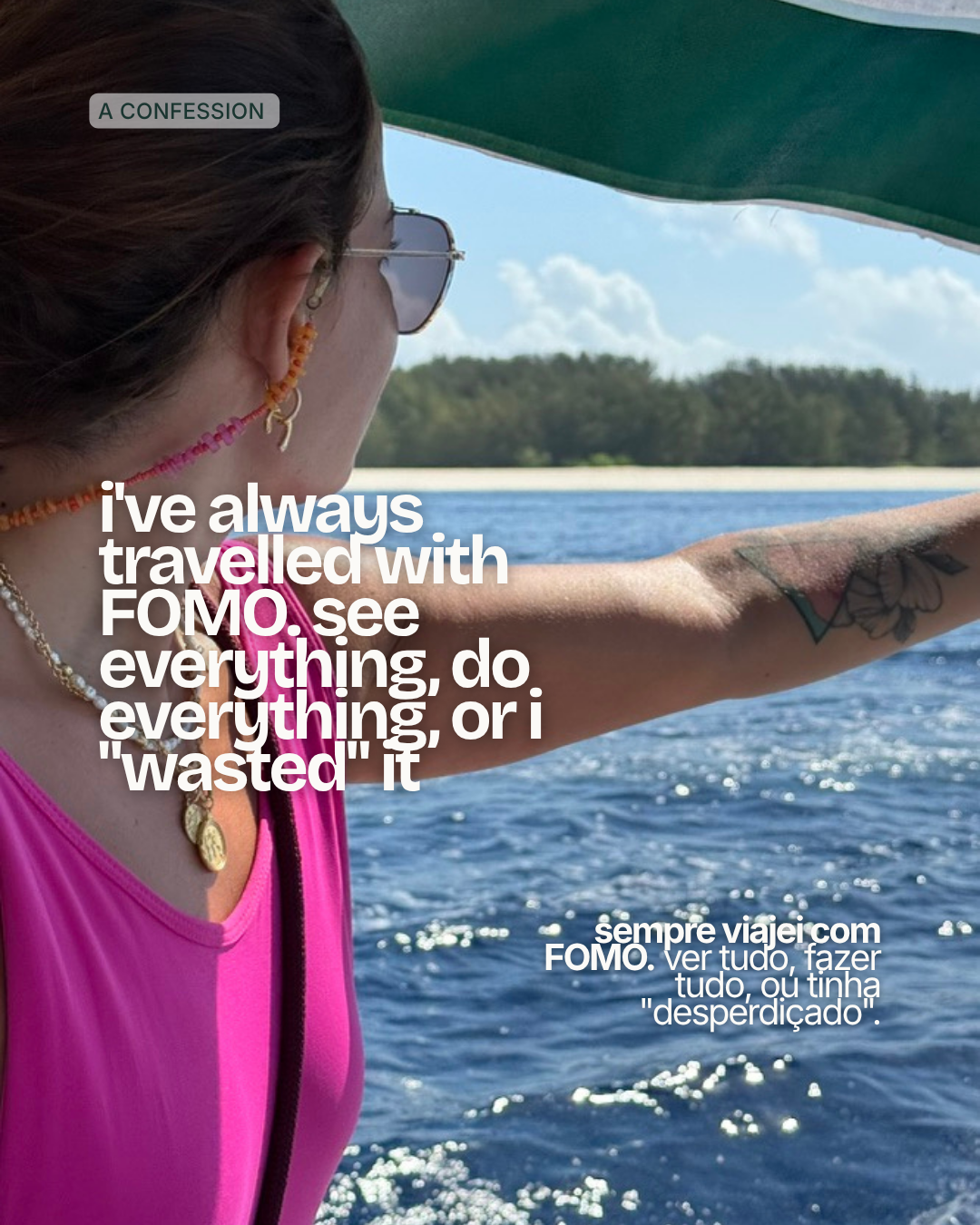
For a long time I believed the classic divide: tourists on one side, travellers on the other. I don't anymore. There are no types of people who travel. There are paces. And I've travelled at the wrong one myself, gallery full, memory empty.
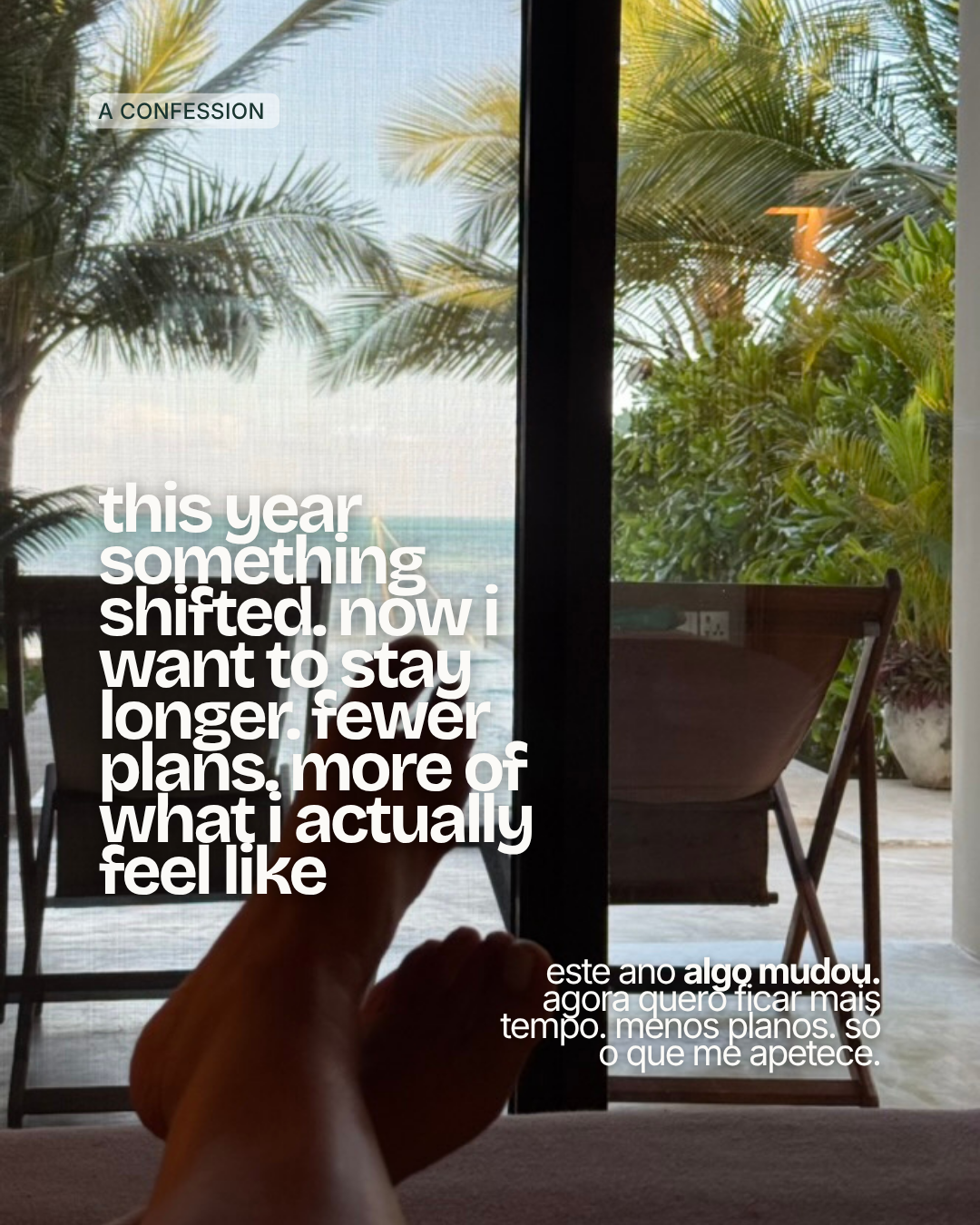
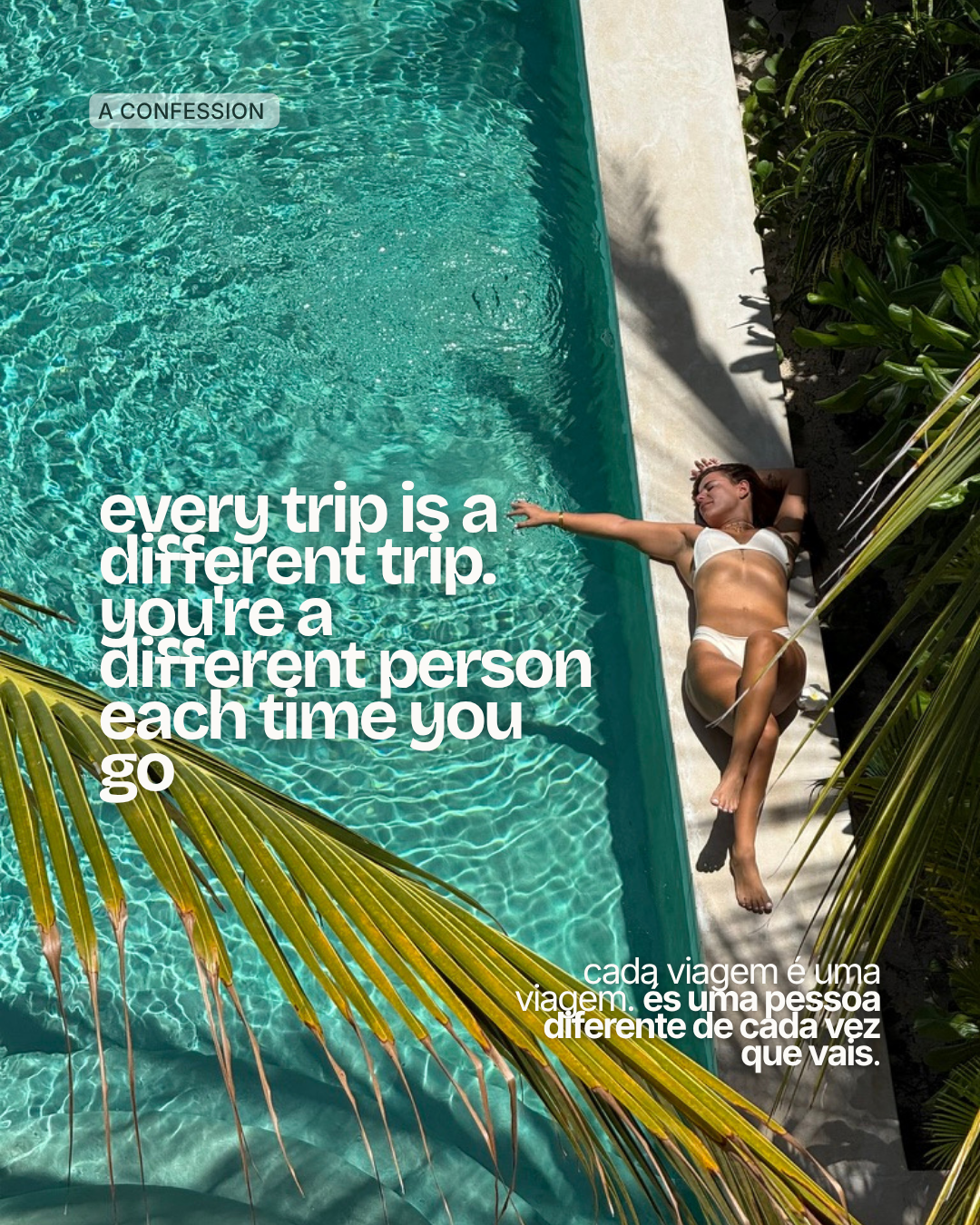
Travelling slowly means spending time: on yourself, on the place, on letting what you're living actually reach you.
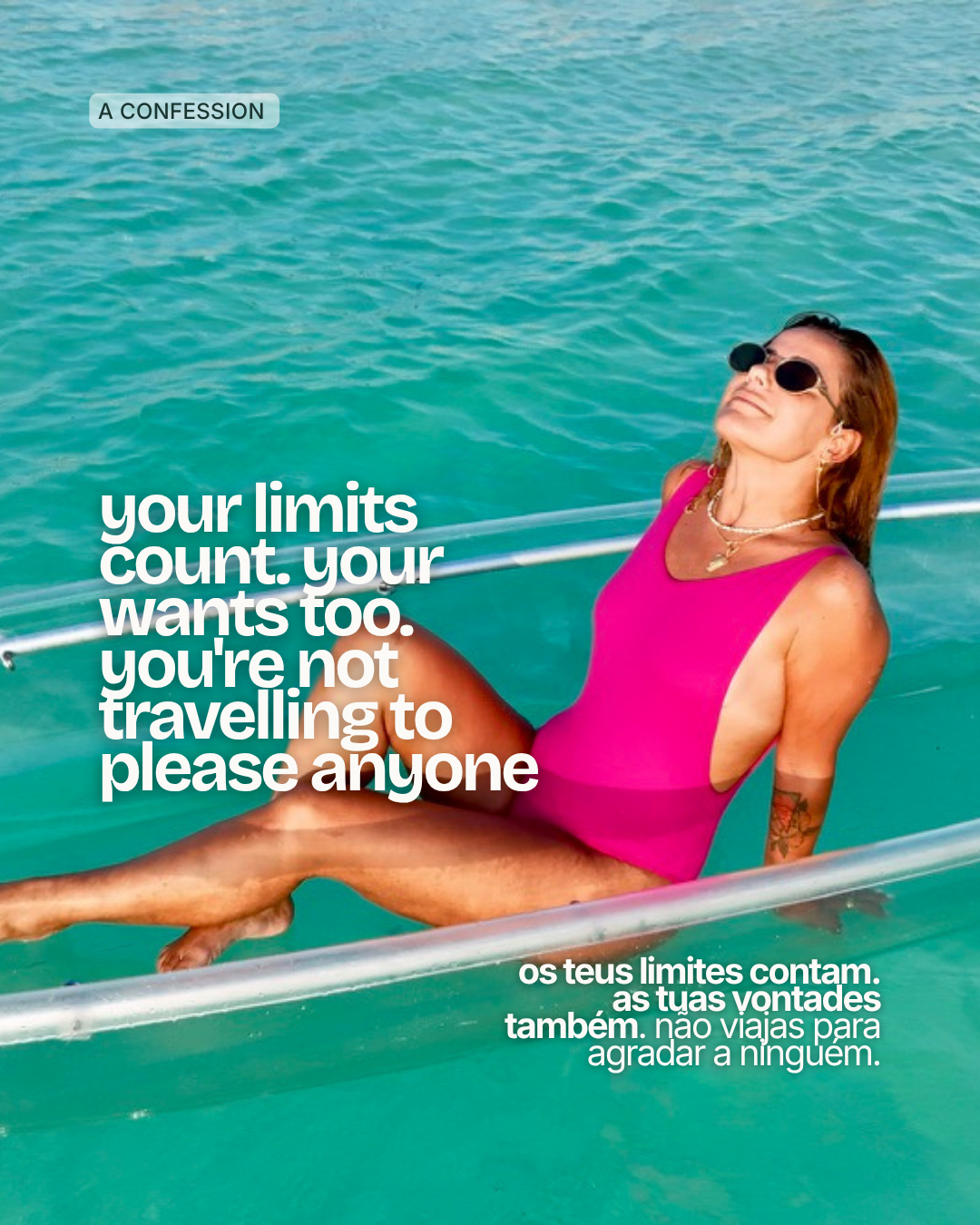
And no: slow travel isn't a luxury for people with time and money to spare. That's the easy excuse. It doesn't take a silver spoon; it takes a decision. To accept the world is too big to see all of it, and to choose to feel it instead of collecting it.
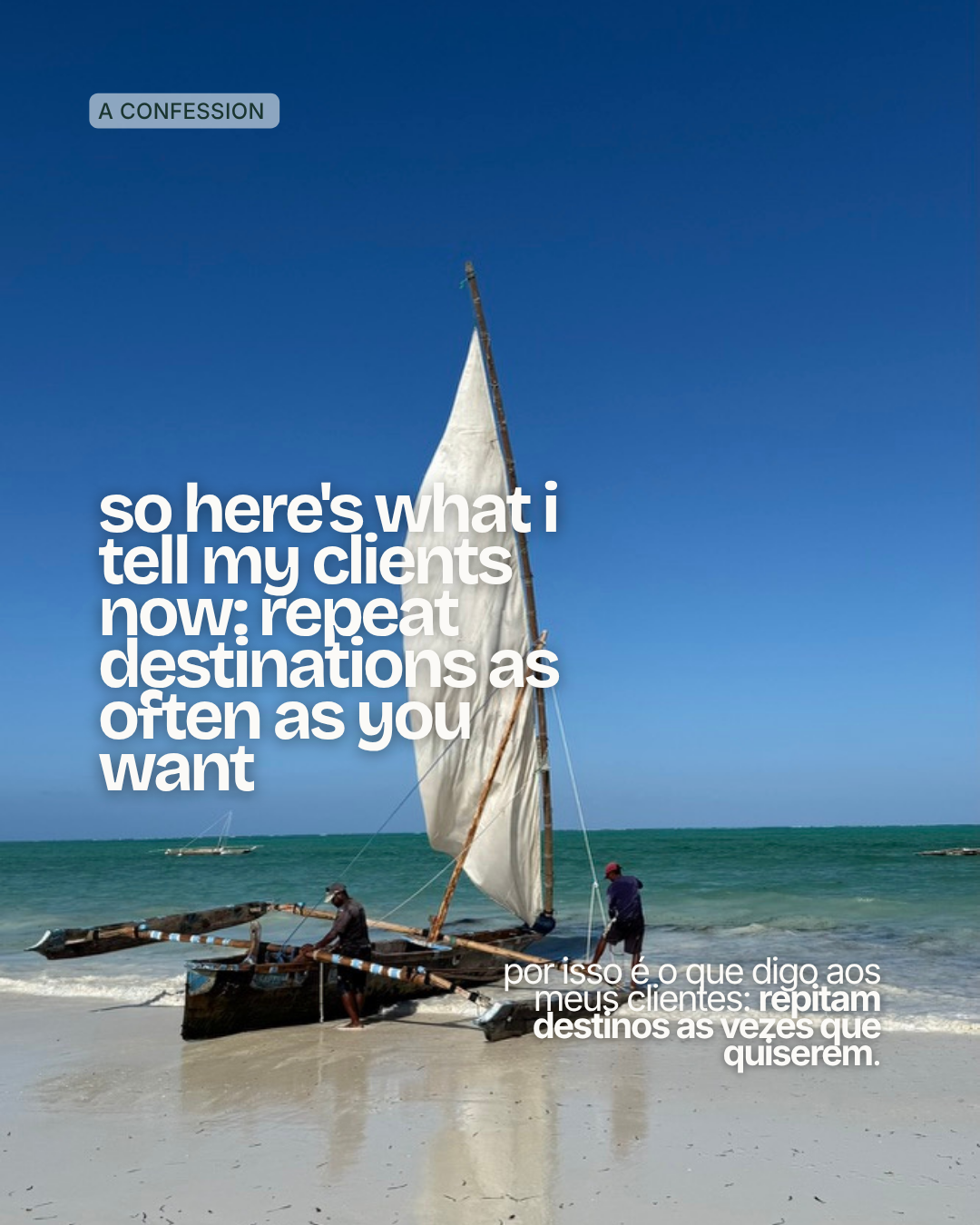
Often it's even cheaper: staying longer in one place costs less than hopping through ten. You don't need to island-hop across Indonesia every two days. You don't even need to leave your country. You need to be present where you are.
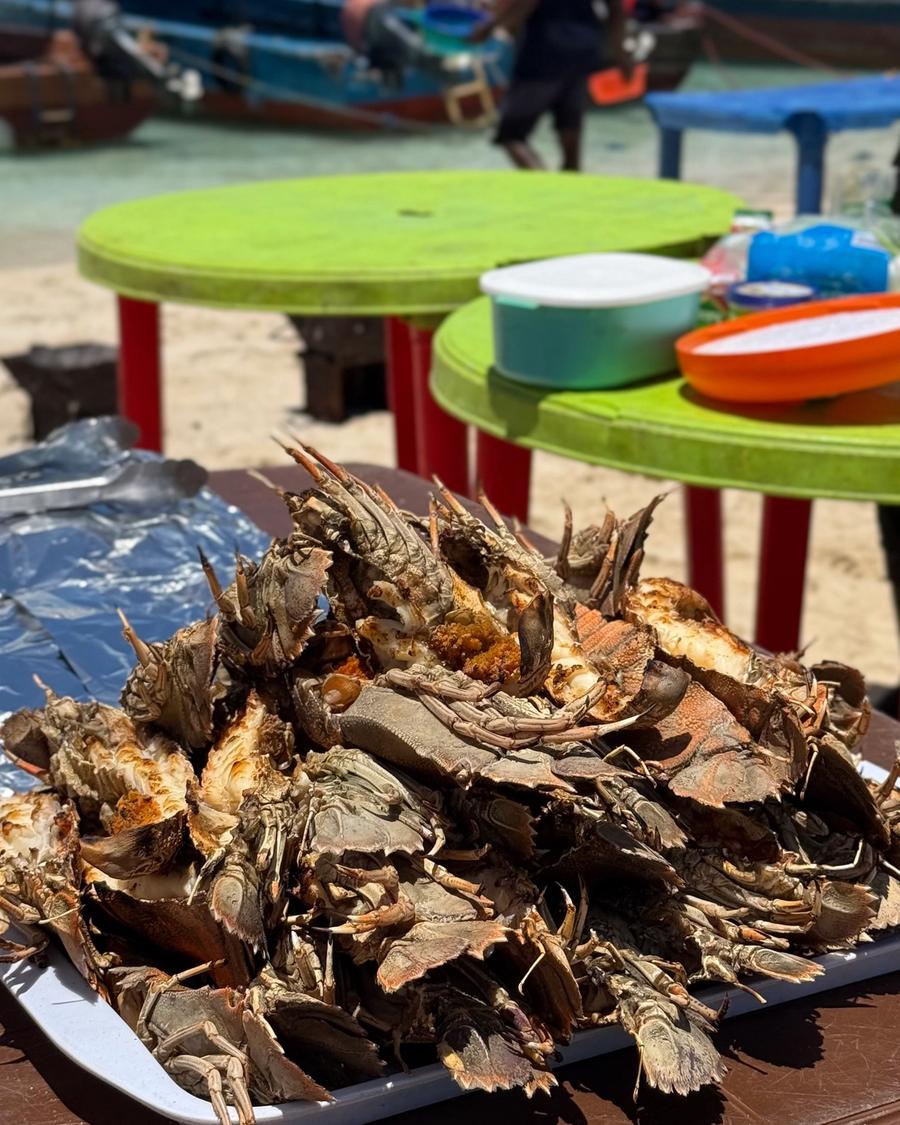
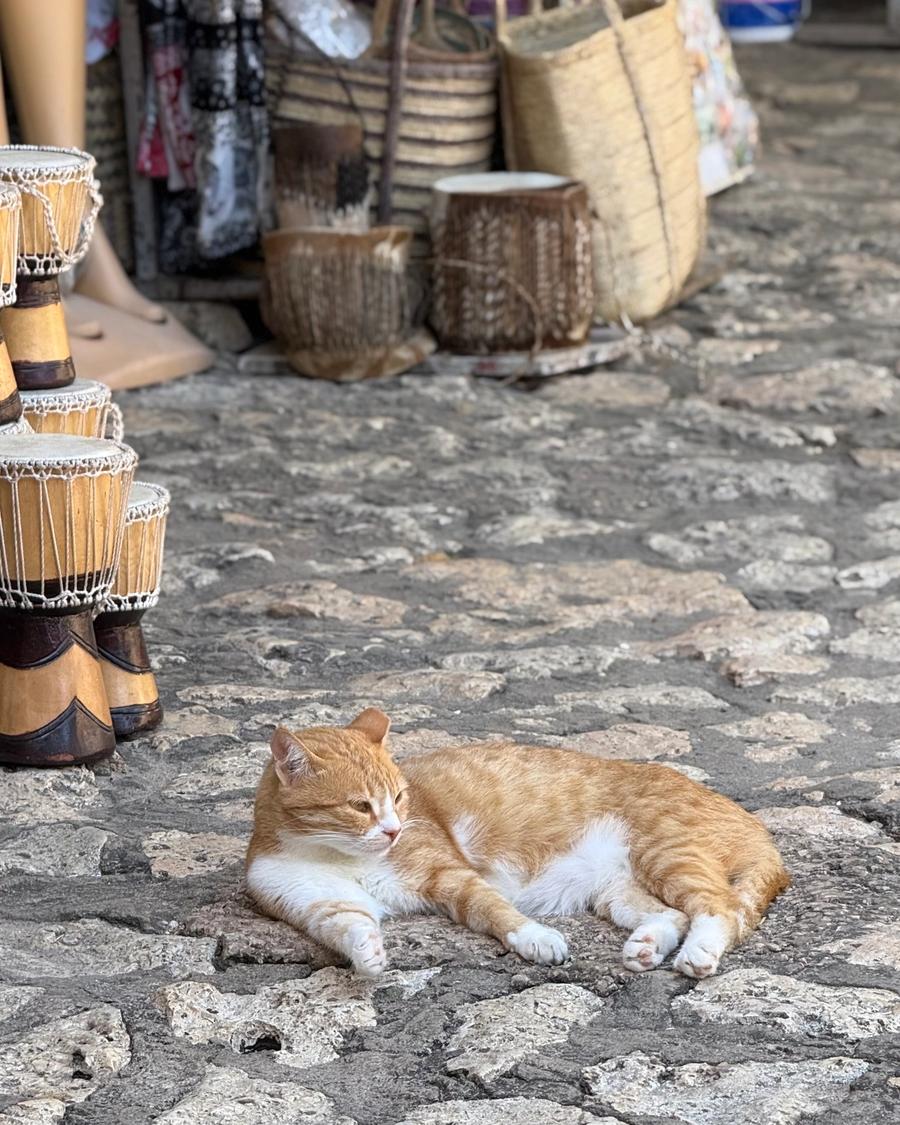
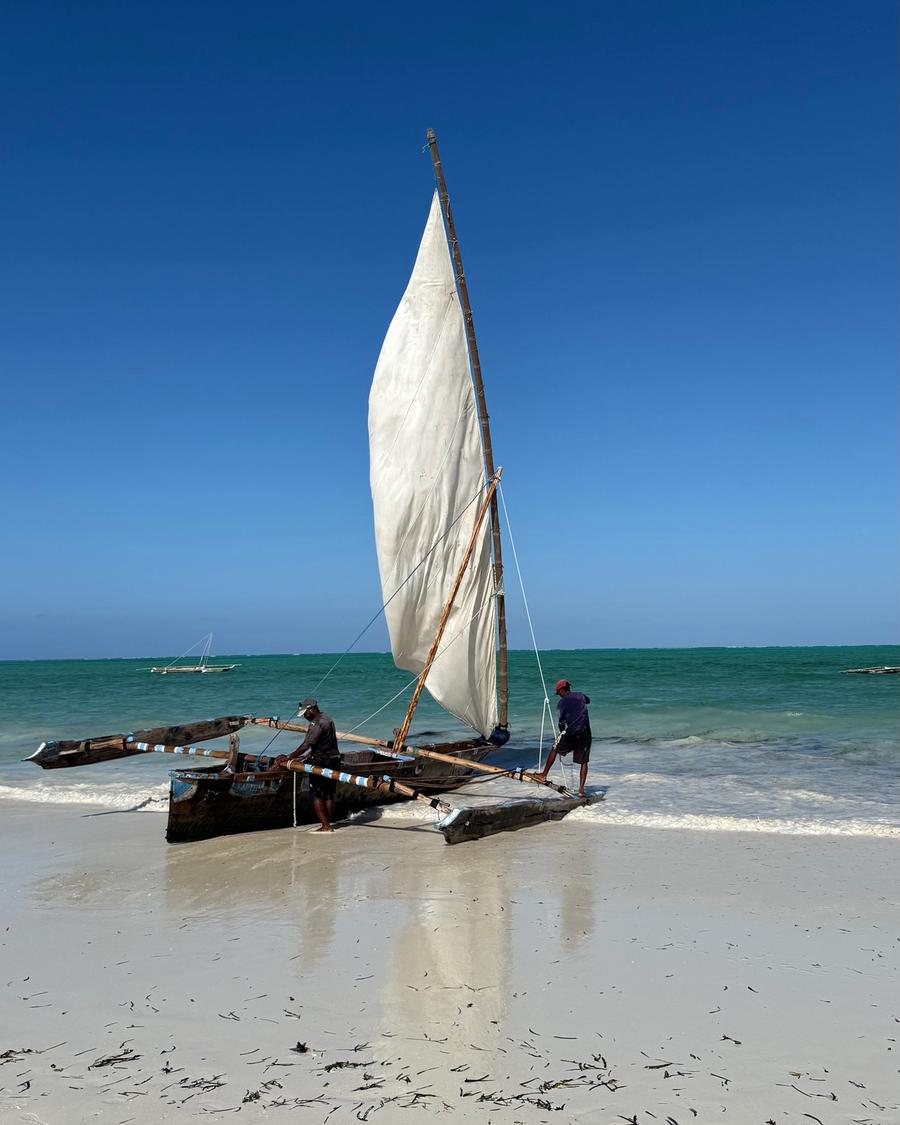
The perfect plan leaves room for no plan
The perfect plan is the one that leaves room for no plan. And trust me: that's where it happens. When you're walking, Google Maps in hand, point A to point B, and suddenly you lose signal. And you find yourself, at last, looking at what's right in front of you.
The best things I've found on every trip always came by chance. When I put the GPS away. When I got lost on purpose. Even when the route was longer, even when I had to open it again to make it back in time. It was always there, in what wasn't planned, that I lived what I still remember.
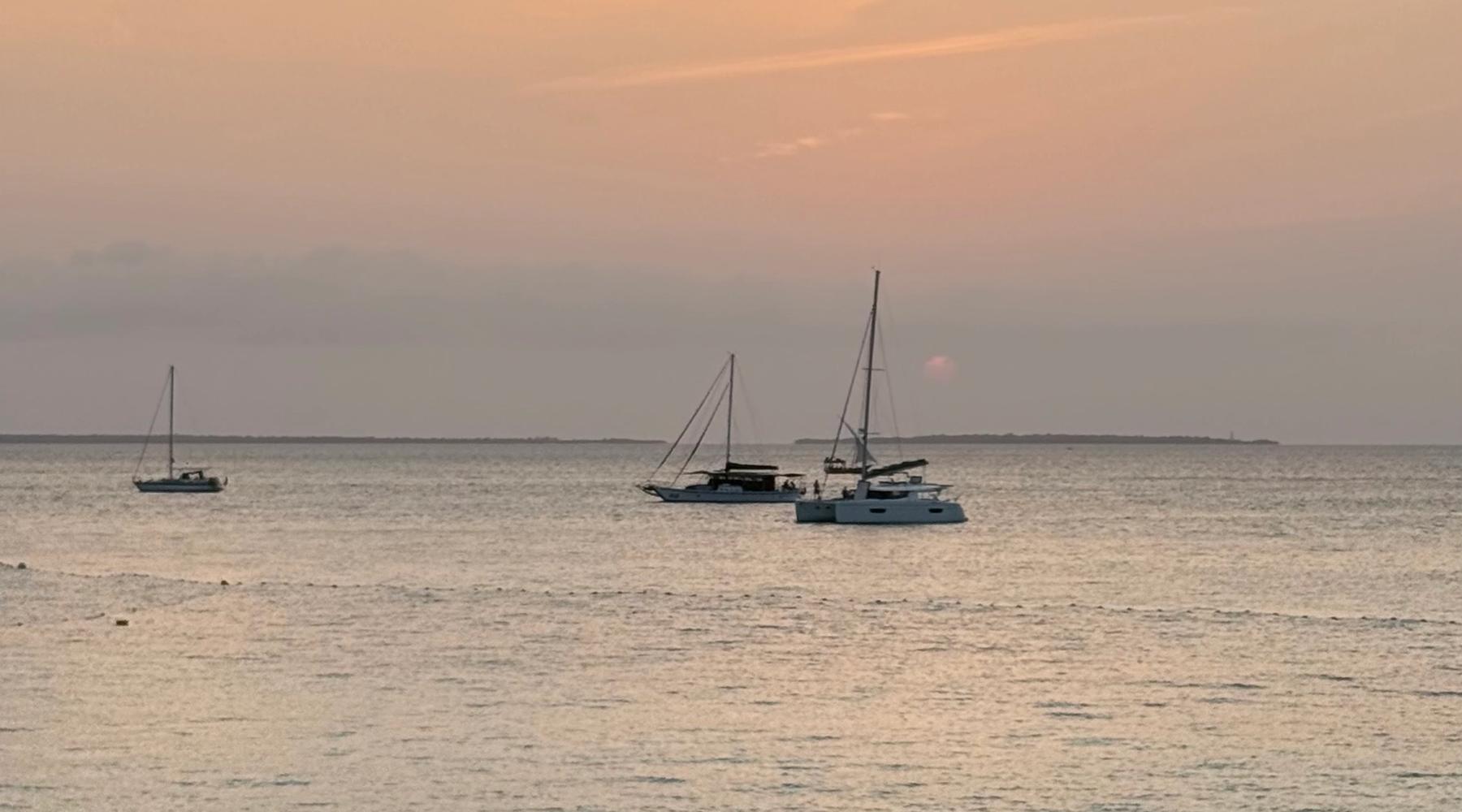
Before your next trip, one question
So before your next trip, ask yourself one thing: do you want to collect the world, or feel it?
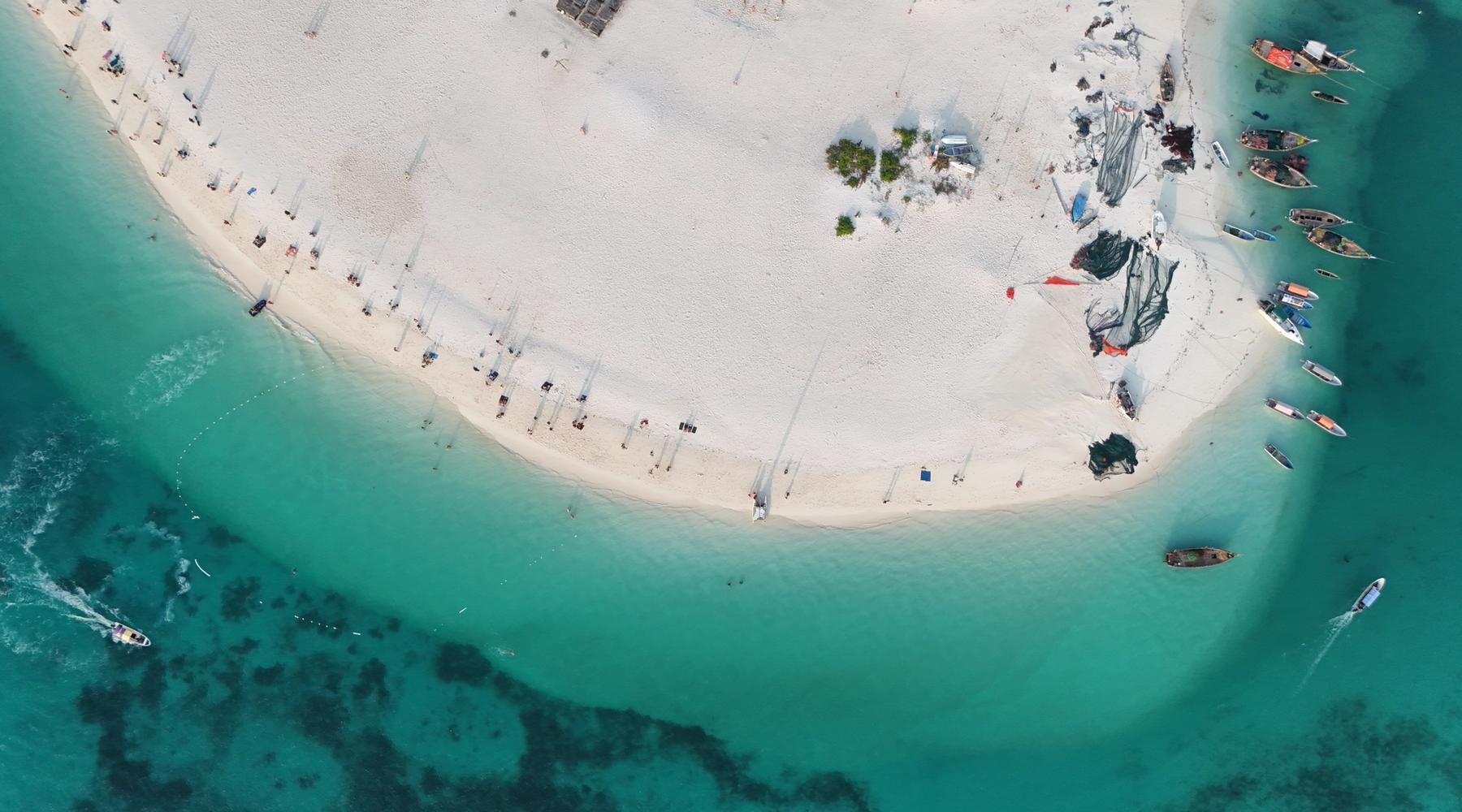
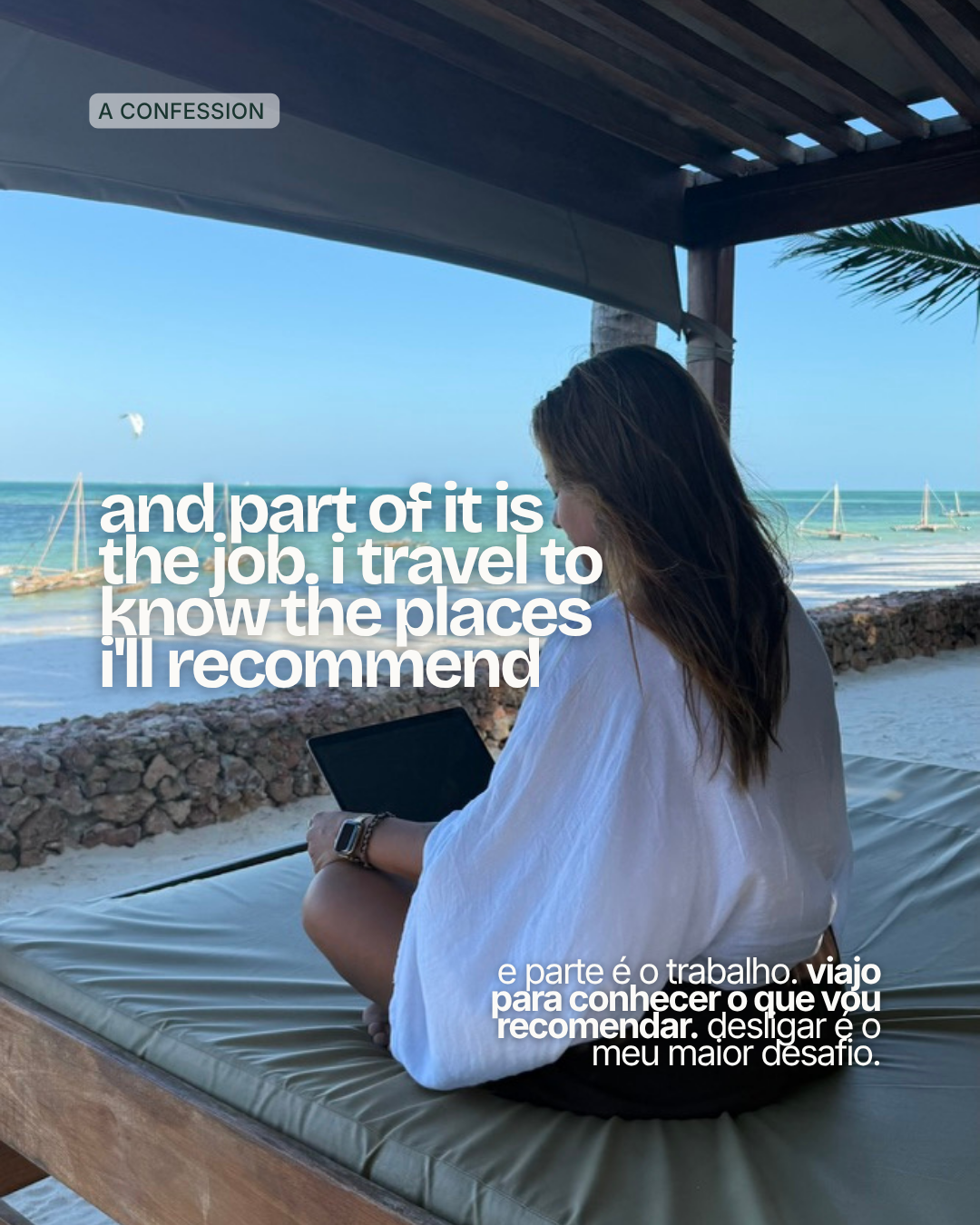
This is how I design trips. No rushing, no check-points, with room for chance. If you want your next one to be lived, not survived, that's what I do.
joo